

How to Ask for a Letter of Recommendation: Effective Request Strategies and Formats
Requesting a letter of recommendation can be a daunting task, whether you’re seeking one for academic purposes or job applications. However, understanding how to ask effectively can significantly increase your chances of receiving a strong endorsement. This guide offers proven strategies and formats for making such requests gracefully, ensuring you present yourself in the best light while respecting the potential recommender’s time and effort. Knowing whom to approach is crucial; we’ll explore the best individuals to ask and how to structure your request professionally. Throughout this article, we will address key components such as etiquette, timing, follow-up methods, and how digital tools can streamline your reference-gathering process.
Who Is the Best Person to Ask for a Letter of Recommendation?

Choosing the right person to ask for a letter of recommendation can greatly influence the strength of the endorsement you receive. The ideal recommender should be someone familiar with your work ethic, skills, and character — significantly enhancing the credibility of their letter.
How to Identify Appropriate Recommenders Based on Professional Relationships
Identifying the right recommenders involves assessing your professional relationships. Look for individuals who understand your strengths and contributions. This could include former professors, employers, or supervisors who can speak to your capabilities and work ethic. Prioritize those with whom you’ve had a positive rapport and who can highlight specific achievements or experiences beneficial to your application.
Which Educational or Business Contacts Provide Credible References?
When deciding on contacts, consider educators or business professionals who align with the position you are applying for. Professors from relevant courses or employers from previous roles provide credible references as they can directly relate their observations to your skills and experiences. This relevance increases the likelihood that their recommendation will resonate with an admissions committee or potential employer, thereby improving your chances of success.
What Is the Proper Letter of Recommendation Format When Requesting?
Understanding the proper format for requesting a letter of recommendation is essential to ensure professionalism in your communication. A clear structure demonstrates respect for the recommender’s time and maintains formality in your request.
Writing Compelling Recommendation Letters: Key Strategies
Recommendation letters are necessary for advancement at all levels of academics, as they are widely required for grants and applications ranging from graduate school to tenured academic positions. As the name suggests, a recommendation letter is a written referral. However, writing an impactful recommendation that both stands out and voices genuine support for an applicant is a time-consuming task. The following tips will help you write more convincing recommendation letters that are NOT generic, resume-repeating, lacking substance, and doubt raisers [1].
Ten simple rules for writing compelling recommendation letters, JH Kong, 2021
How to Craft a Professional Recommendation Request Email
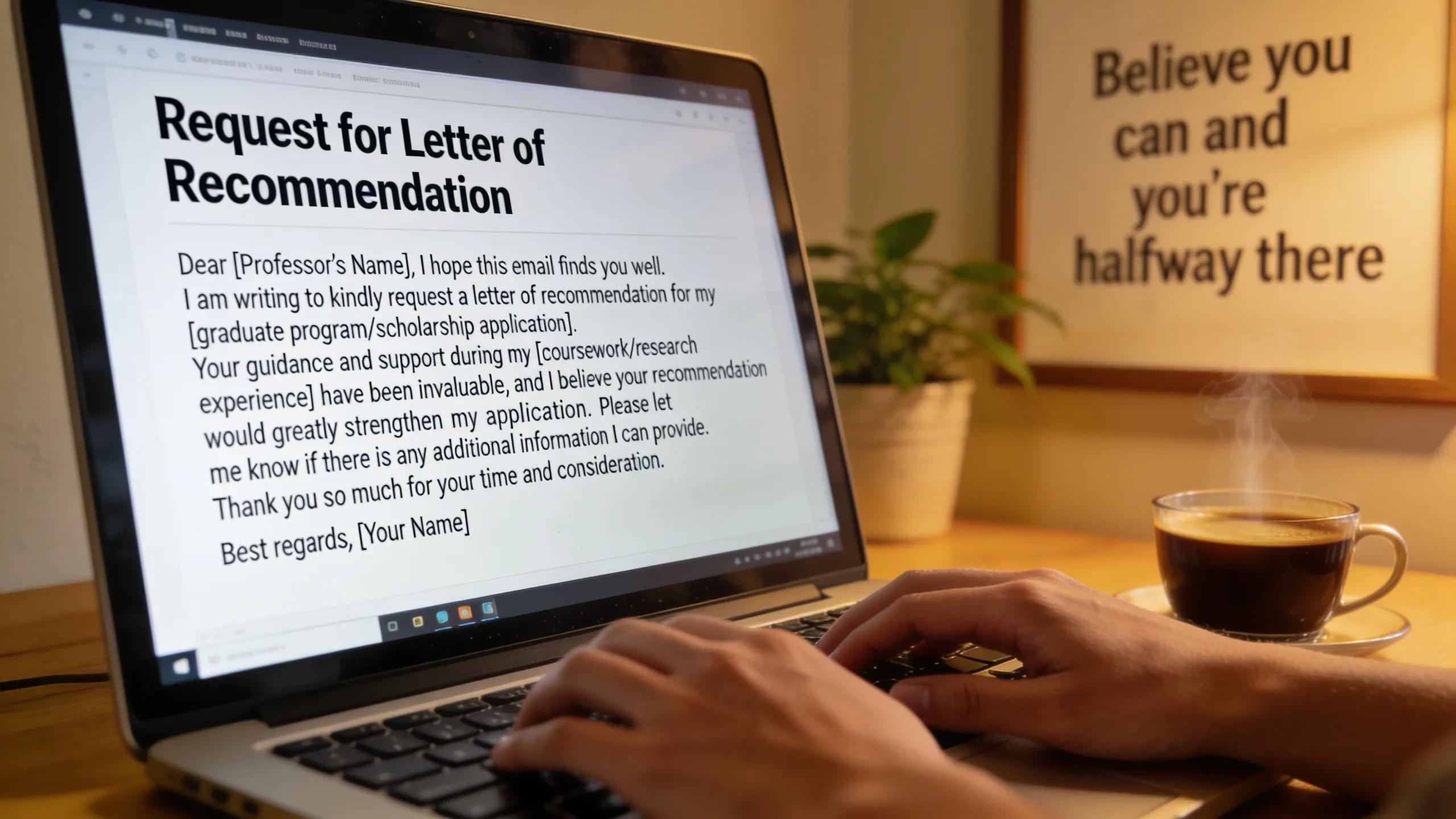
When composing your request email, start with a courteous salutation and express your gratitude for the person’s time. Briefly outline the purpose of the recommendation and why you have chosen them specifically. Ensure to clearly state the context of the request and provide any necessary details, such as deadlines, submission methods, and any guidelines regarding the content of the letter. Finish with a polite closing statement, leaving room for questions.
What Are Template Examples for Different Request Contexts?
Here are some template examples tailored to different contexts of recommendation requests:
- Academic Request: Subject: Request for a Letter of RecommendationDear [Professor’s Name],I hope this message finds you well. I am applying for [specific program or opportunity] and would be honored if you could write a letter of recommendation on my behalf. Your insight regarding my work [specific details] would be invaluable in supporting my application.Thank you for considering my request. I am happy to provide any additional information you may need.Best regards,[Your Name]
- Job Application Request: Subject: Request for a Letter of RecommendationHi [Manager’s Name],I hope you are well! I am applying for a [specific position] and would greatly appreciate it if you could provide a letter of recommendation. Your perspective on my contributions at [Company] would be incredibly helpful.Thank you for your time, and please let me know if you’d like any more details about the role.Sincerely,[Your Name]
What Are Essential Professional Recommendation Letter Tips for Effective Requests?
When making a recommendation request, it’s crucial to ensure you approach this task with awareness of professional etiquette and timing, which can significantly impact the response you receive.
How to Follow Up on a Recommendation Request Without Being Intrusive
Following up is vital for ensuring your request is moving forward. Aim to wait about a week after your initial ask before sending a gentle reminder. In your follow-up, express appreciation for their consideration and politely inquire if they need any additional information to assist them in writing the letter. This approach shows respect for their time and reinforces your professionalism without coming off as pushy.
What Is the Appropriate Timing and Etiquette When Asking for a Letter?
Timing plays a significant role in successful requests. It is essential to ask well in advance — typically, at least 4-6 weeks before your deadline — to give the recommender ample time to craft a thoughtful letter. Additionally, consider cultural and contextual nuances regarding how and when to approach potential recommenders, as these may influence their willingness and ability to assist.
How Can Digital Tools Enhance the Process of Asking for References at Work?
Digital tools can provide efficient and effective ways to solicit letters of recommendation, helping streamline the process and reduce stress.
Which Online Platforms Facilitate Recommendation Requests Professionally?
Several online platforms specialize in professional networking and recommendations, such as LinkedIn, which allows you to request recommendations directly from your connections. Such platforms often feature tips and templates that can aid in your request process, ensuring you maintain a professional tone and structure.
How to Leverage Networking Sites to Support Your Reference Requests
Utilizing networking sites can strengthen your request strategies. Engage with your contacts regularly, share updates about your professional endeavors, and express gratitude for past recommendations. Building a rapport on these platforms not only establishes your presence but also makes it easier to ask for recommendations when the time arises.